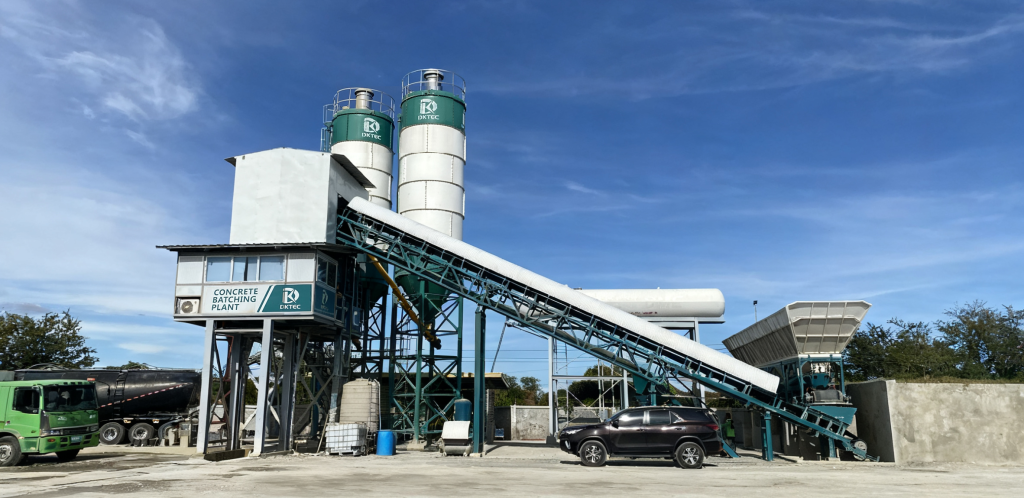
SICOMA twin-shaft concrete mixers are globally recognized for their durability, high mixing efficiency, and heavy-duty performance. However, even the most robust equipment requires systematic preventive maintenance to prevent unscheduled downtime, optimize batch quality, and maximize service life.
This comprehensive guide covers essential maintenance routines, lubrication protocols, and wear-component management for your SICOMA mixing plant.
Daily Maintenance Checklist (Every Shift)
Performing quick inspections before and after every operational shift prevents minor issues from compounding into expensive repairs.
- Post-Shift Washdown: Thoroughly clean the interior mixing drum, shafts, arms, and discharge gate using high-pressure water. Never allow concrete build-up to harden on internal components.
- Inspect Water Nozzles: Verify that all water spray nozzles are clear of cement buildup to ensure uniform water distribution during batching.
- Check Discharge Gate Seal: Inspect the hydraulic discharge door for concrete slurry leakage or mechanical obstruction.
- Monitor Abnormal Noise/Vibration: Listen during startup and operation for unusual gear housing noise, bearing squeals, or belt slippage.
Lubrication Protocol & Shaft Seal Protection
The central shaft seal is the single most critical component on a SICOMA mixer. Proper grease pressure prevents abrasive slurry from entering the main shaft bearings.
       Automatic Grease Pump
               │
               ▼
   [ Main Shaft Seals ] ──(Maintains positive pressure against slurry)
               │
               ▼
   [ Bearings & Housing ]
- Grease Reservoir Top-Up: Check the automatic grease pump reservoir daily. Ensure it is filled with NLGI Grade 2 extreme-pressure lithium grease.
- Manual Grease Points: Manually lubricate the discharge door pivot bearings and hydraulic cylinder trunnions every 50 operating hours.
- Gearbox Oil Levels: Inspect oil sight glasses on reduction gearboxes weekly. Perform the initial oil change after 500 operating hours, followed by routine changes every 2,000 hours or annually.
Wear Part Management: Liners, Arms, and Blades
SICOMA mixers feature high-chromium cast iron liners and Ni-Hard alloy mixing blades designed for high abrasion resistance.
| Component | Inspection Frequency | Replacement / Adjustment Criterion |
| Mixing Blades & Paddles | Every 100 hours | Adjust clearance to 3–5 mm from liner; replace when worn past limits |
| Mixing Arms | Every 200 hours | Inspect mounting bolts for torque; replace if cracked or severely eroded |
| Drum Body Liners | Monthly | Replace when wall thickness drops by 50% or bolt heads become exposed |
| Shaft Protection Sleeves | Monthly | Replace if slurry grooves exceed 3 mm depth to preserve inner shaft |
Weekly & Monthly Preventive Checks
- V-Belt & Coupling Tension: Check belt tension after the first 50 hours of operation, then monthly. Retighten to manufacturer specifications to prevent slip wear.
- Electrical & Sensor Calibration: Inspect proximity switches on the discharge door (fully open / partially open / closed) and clean concrete dust from sensor faces.
- Pneumatic / Hydraulic System: Drain water traps in the pneumatic line and inspect hydraulic hoses for abrasion or pressure drop.
Troubleshooting Common Issues
- Concrete Leaking from Shaft Ends: Indicates shaft seal grease failure or worn purge rings. Flush line, re-establish grease pressure, and inspect seal packings immediately.
- Discharge Door Jams: Usually caused by hardened concrete buildup in the door seating groove or incorrect proximity sensor alignment.
- Excessive Motor Amp Draw: Check for material overload, worn blades dragging against liners, or hardened concrete build-up on shafts.