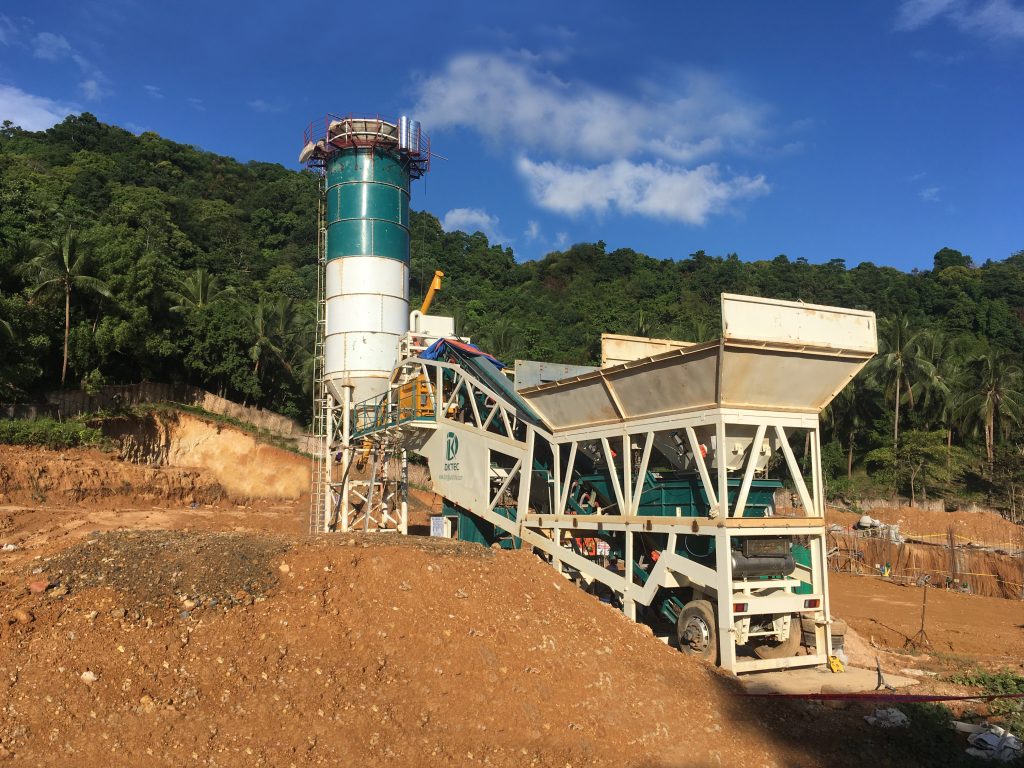
A mobile concrete batching plant is a flexible solution for concrete production at construction sites where mobility, fast installation, and efficient transportation are important. Unlike traditional stationary batching plants, a mobile concrete batching plant can be transported and relocated more easily, making it an ideal choice for projects with changing construction locations.
With compact design and integrated components, mobile batching plants can help contractors reduce installation time and improve the efficiency of on-site concrete production.
What Is a Mobile Concrete Batching Plant?
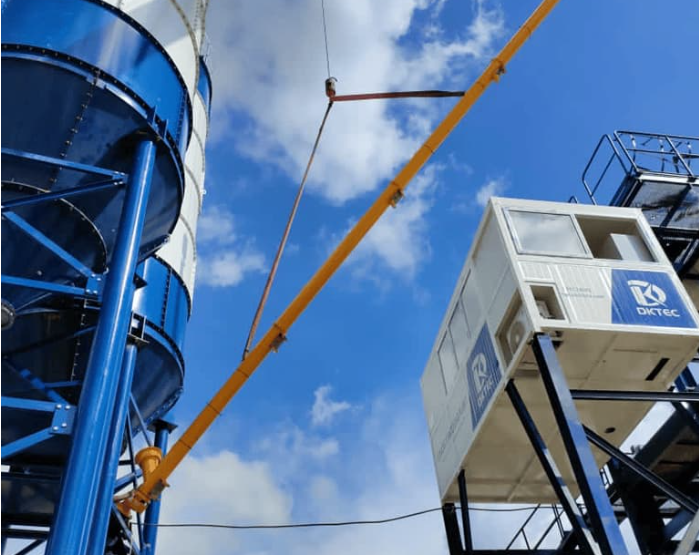
A mobile concrete batching plant is a concrete production system designed to be moved between different project sites. Its main components, including the aggregate batching system, cement feeding system, concrete mixer, weighing system, control system, and other equipment, are integrated into a compact structure.
After arriving at the construction site, the plant can be installed and commissioned relatively quickly. When the project is completed or the working location changes, the plant can be transported to another site for continued operation.
Key Advantages of Mobile Concrete Batching Plants
Easy Transportation
Mobility is one of the biggest advantages of a mobile batching plant. The compact structure makes transportation between construction sites easier and reduces the need for complicated dismantling and reinstallation.
Fast Installation
Mobile batching plants are designed to minimize installation work at the project site. This can help contractors start concrete production sooner and reduce project preparation time.
Flexible Project Deployment
For projects with multiple construction locations, a mobile batching plant can be relocated according to project requirements. This makes it particularly suitable for infrastructure and temporary construction projects.
Efficient On-Site Concrete Production
Producing concrete directly at or close to the construction site can reduce transportation distances and help ensure a continuous supply of fresh concrete.
Lower Relocation Costs
Compared with a conventional stationary batching plant, a mobile plant generally requires less dismantling and reconstruction when moving to another project location, helping improve overall project flexibility.
Where Are Mobile Concrete Batching Plants Used?
Mobile concrete batching plants are widely used in applications where construction sites may change or where temporary concrete production is required.
Typical applications include:
- Road and highway construction
- Bridge construction
- Railway projects
- Airport construction
- Water conservancy projects
- Tunnel construction
- Residential and commercial construction
- Remote construction projects
- Temporary infrastructure projects
- Multi-site construction operations
For remote projects, a mobile batching plant can be especially useful because concrete can be produced close to the point of use instead of being transported over long distances.
Mobile vs. Stationary Concrete Batching Plant
The main difference between mobile and stationary batching plants is flexibility.
A stationary concrete batching plant is normally installed permanently at one location and is suitable for long-term, high-volume concrete production. It can be configured with larger storage capacity and production systems according to the project requirements.
A mobile concrete batching plant focuses more on transportation and relocation. It is suitable for contractors who need to move the equipment between different sites or complete projects within a limited period.
Therefore, the best choice depends on the project duration, production capacity, site conditions, transportation requirements, and expected frequency of relocation.
How to Choose a Mobile Concrete Batching Plant?
Before selecting a mobile batching plant, several factors should be considered.
Production Capacity:
Determine the required concrete output based on the project’s daily and hourly concrete demand.
Mixer Type:
The mixer should be selected according to the concrete mix design, aggregate characteristics, required mixing quality, and production capacity.
Transportation Conditions:
Consider road conditions, transportation regulations, available lifting equipment, and the distance between project sites.
Site Conditions:
Available space, foundation conditions, aggregate storage, power supply, and water supply should all be evaluated before installation.
Automation Level:
An advanced control system can improve weighing accuracy, production efficiency, and operational convenience.
Why Choose a Mobile Batching Plant?
For contractors working on projects where construction locations change frequently, mobility can be more valuable than maximum stationary production capacity.
A well-designed mobile batching plant combines mobility, compact structure, efficient mixing, accurate batching, and convenient operation. It provides contractors with a practical way to establish concrete production closer to the construction site while maintaining consistent production performance.
Conclusion
A mobile concrete batching plant is an efficient solution for construction projects that require flexible and reliable concrete production. Its transportable design, relatively fast installation, and ability to relocate between projects make it particularly suitable for road, bridge, infrastructure, remote, and temporary construction applications.
When choosing a mobile batching plant, production capacity, mixer performance, transportation requirements, site conditions, and automation should all be considered.
DKTEC offers mobile concrete batching plant solutions for different project requirements, helping contractors achieve flexible and efficient concrete production wherever the project takes place.